A General Dentist Discusses the Importance of Treating a Cracked Tooth
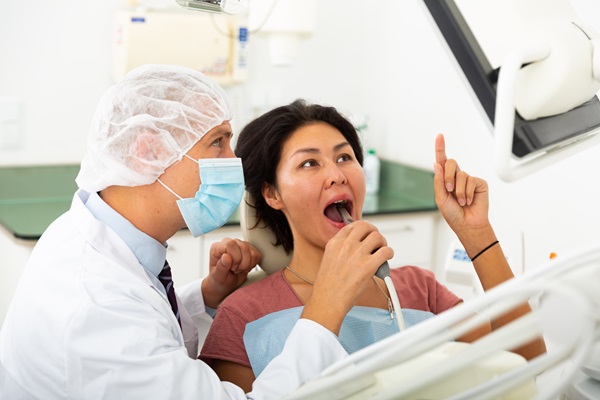
Several behaviors and issues can lead to a cracked tooth. Sometimes, chewing on a hard object or food like a nut or hard candy can cause a crack to develop. Teeth may also crack due to grinding and clenching them. In other cases, a tooth may crack because of an accident like a blow to the mouth. Regardless of the reason, your dentist should assess your cracked tooth. The most appropriate treatment will then be recommended.
Cracked tooth treatment
Some symptoms of a cracked tooth include sensitivity to heat, cold, or sweetness, pain when biting or chewing, and gum swelling around the affected tooth. A crack in a tooth is not always easy to detect. These fractures are usually invisible to the eye. Sometimes, cracks may not even show on an X-ray. But the patient can help the dentist to identify the tooth which is causing the problem. A patient should look out for localized pain especially when biting into food or when the teeth are exposed to cold or hot temperatures.
Complications
Cracked teeth can cause many complications especially if a person does not seek treatment. One of the major complications of a cracked tooth is an infection. It usually spreads to the gums and bone. Symptoms of a dental infection include pain when chewing, fever, sensitivity to hot and cold, and swollen gums.
A person may also have bad breath or tender glands in the neck. The dentist may attempt to drain pus from the infection. An antibiotic may also be prescribed to help kill the bacteria. Treatment may also prevent further damage and even tooth loss.
Treatment options
Treatment depends on multiple factors. These include the symptoms, size of the crack, its location, and whether it extends into the gumline. Based on those factors the dental provider may recommend bonding, a crown, a root canal, or extraction. The dental bonding procedure involves the use of plastic resin to fill the crack. Bonding can help restore its look and function.
Crowns are caps that fit over weak and damaged teeth. A crown may be placed over the affected tooth. Sometimes, cracks reach the pulp of teeth. In this case, root canal therapy may be a good option.
If the tooth cannot be saved, extracting it may be necessary. This may be an option when the structure of the tooth as well as the roots and nerves are very damaged. But in some cases, treatment may not be recommended. This is often when cracks do not affect the appearance or cause pain or discomfort.
Takeaway
If you think you may have a crack in your tooth, schedule an appointment as soon as possible. There are multiple treatments that your dentist can use to repair a cracked tooth. They can help to save your tooth and appearance. Early treatment will also prevent the development of other serious problems like an infection. But it is vital to take proper care of your teeth and mouth. Good dental hygiene and seeing your dentist regularly can help protect your smile.
Request an appointment here: https://uptownnycdental.com or call Uptown Dental Group at (646) 666-0757 for an appointment in our New York office.
Check out what others are saying about our services on Yelp: Cracked Tooth in New York, NY.
Related Posts
Visiting a general dentist for routine check-ups is an important part of maintaining optimal oral health. During these visits, patients have the opportunity to ask questions and gain insights into their dental care. Preparing with thoughtful questions helps ensure that all concerns are addressed and that you understand the most effective practice for maintaining a…
A general dentist provides prompt treatment and peace of mind in a dental emergency. They work quickly to relieve pain and restore oral health, often restoring beauty to the smile at the same time. Emergencies can be hard to plan for, but knowing what to do in the event of one can make all the…
Preventive dental care is the cornerstone to maintaining overall oral health, and a general dentist plays an essential role in ensuring that individuals adopt effective habits catered to their specific needs. Preventive dental care involves measures aimed at stopping oral health problems before they occur, as well as addressing early signs of issues before they…
A general dentist can screen for a variety of oral health concerns, including oral cancer. Catching these issues and diseases early makes for easier, less invasive, and often more effective treatment. Reading up on when and why oral cancer screenings are important can give you an idea of whether to ask for one at your…