The Effect of Cavities on the Entire Body
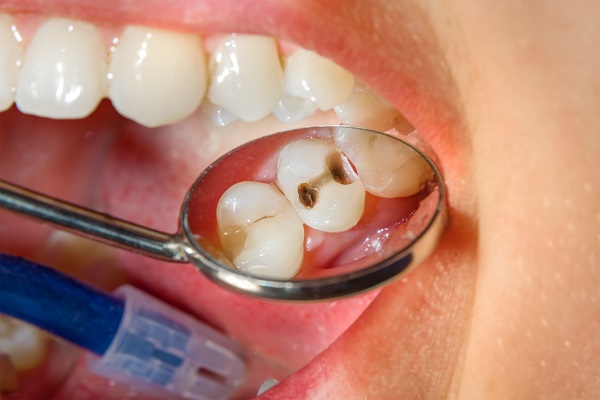
Cavities are small holes that only affect a small portion of a tooth, right? They can be if you see the dentist as soon as you notice them. For the people who put off seeing the dentist until they run out of options, cavities can become so much more.
A small hole in the tooth can become a bigger hole in the tooth. The bigger hole acts as a gateway for bacteria to gain access to the inner tooth. At this point, the problem tooth starts to lose structural integrity, as bacteria attack the enamel, dentin, and dental pulp. This is the point where a person starts to experience some level of toothache. Here are some possible scenarios for the person who finds a workaround for the pain.
A complete health dentist explains the anatomy of cavities
Many oral health problems come down to the unchecked activity of harmful mouth bacteria. The timely intervention will limit bacterial attacks to a tiny hole in the enamel. Ignoring the problem leaves the bacteria to ‘drill’ a hole right into the inner tooth. It just so happens that the inner tooth has blood vessels and other structures that link the tooth to its surroundings.
By extension, these surrounding structures have blood vessels that link the mouth to the rest of the body. This means that harmful mouth bacteria can access a direct link to the rest of the body. It then follows that a cavity has the potential to affect systemic health. Here is how:
1. An infection resulting from a cavity can morph into gum disease
When mouth bacteria create a hole in the tooth, their end-game is to create a bigger hole and eventually take over the tooth. Like a conquering army, the infection will do its best to spread to other teeth as well as the gums. If bacteria succeed in gaining a foothold in the gums, the following happens:
- Mild gum disease remains largely without symptoms, except for bleeding and some tenderness
- Periodontitis happens if gum disease progresses
- The infection from advanced gum disease causes inflammation or it could make its way into the bloodstream
2. Tooth infection can trigger an immune response in the form of systemic inflammation
If the body remains in a constant state of inflammation, other side-effects start to show up. Long-term inflammation could result in difficulty in the management of diabetes. Inflammation hinders the effective action of insulin, which can cause a rise in blood sugar. Studies demonstrate the link between the infection that is gum disease and diabetes
3. Infection can travel from the mouth to the rest of the body
Without medical treatment or an especially strong immune response, infections will spread. Even mouth bacteria can make their way to other parts of the body. For example:
- A serious bacterial infection of the mouth can make its way down the respiratory tract and into the lungs, causing bacterial pneumonia
- Patients with weak immune systems are at greater risk of a mouth infection becoming a systemic infection
- Bacterial colonies from the mouth can travel to the heart to cause endocarditis, an infection of the heart's inner lining
Over and above the infection angle of cavities, there is also a quality of life angle that ultimately affects general health.
Tooth decay can cause poor nutrition
The pain that comes with tooth decay limits the sufferer’s diet. This not only denies the person their favorite meals, but it also keeps them from taking in useful nutrients.
Keeping cavities at bay is easy
We have a complete health dentist that is dedicated to keeping your mouth and body healthy. If you have a cavity that’s nagging you, even if it is only at the back of your mind, call us. The dentist will take care of it in a few short minutes.
Check out what others are saying about our dental services on Yelp: Cavities in New York, NY.
Related Posts
A general dentist relies on digital X-rays as a critical diagnostic tool to evaluate oral health, detect issues early, and guide treatment decisions. These high-resolution images offer detailed insight into structures not visible during a routine visual exam, making them essential for both preventive and restorative care. Digital X-rays are safer, faster, and more comfortable…
Consistently visiting the same general dentist helps patients achieve better oral health outcomes and ensures personalized dental care. Building an ongoing relationship with a general dentist allows for a thorough understanding and effective monitoring of oral health over time. Additionally, health monitoring with a familiar general dentist supports early detection of dental issues, customized treatments,…
General dentist visits for a dental crown become essential when tooth strength, shape, or appearance requires reliable reinforcement. A crown covers the visible portion of a tooth, allowing comfortable chewing and healthy smiles. Patients who track warning signs and pursue prompt evaluation limit further damage and simplify treatment. A short appointment for assessment determines whether…
Scheduling an appointment with a general dentist is a strong step toward maintaining long-term oral health. If you have never visited a general dentist before or are looking for one in a new area, knowing what to expect can help reduce anxiety and facilitate a more positive overall experience. A general dentist can provide comprehensive…