The FAQs of a Deep Teeth Cleaning
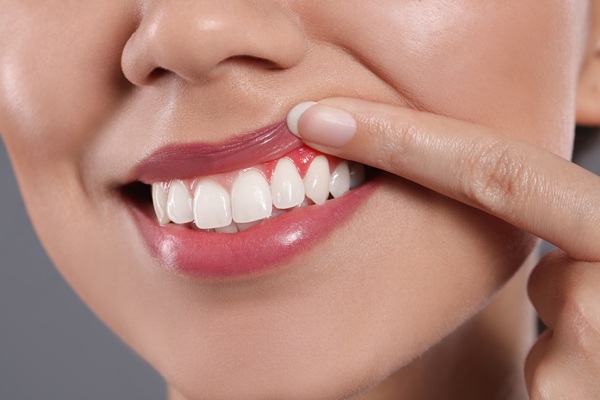
Deep teeth cleaning is typically performed as a treatment for gum disease. It is a comprehensive type of teeth cleaning that also involves cleaning teeth roots and gum pockets. Removing tartar and the bacteria from these areas can reverse the early stages of the infection, and it can help manage and control its more advanced stages.
Frequently asked questions about deep teeth cleaning
Think you might have deep teeth cleaning in your future? Here are the answers to some of the questions you might have:
1. Are deep cleanings painful?
Deep cleanings are performed with local anesthetics, so patients do not feel any pain as the dentist goes to work. Patients might experience some pain and discomfort when the anesthetic wears off after the treatment. Over-the-counter painkillers can be used to manage any pain and discomfort.
2. Are deep cleanings completed during a single session?
A person’s entire mouth can be deep cleaned during a single session, but that is not the standard approach. That would leave the person dealing with pain and discomfort all over their mouth after the treatment. Deep cleanings are often broken down into as many as four treatments, so only a quarter of the patient’s mouth is affected by the treatment.
3. Can deep cleanings reverse gingivitis?
Yes, removing plaque and tartar from teeth roots and gum pockets can help to reverse the first stage of gum disease, gingivitis. Improving your oral hygiene and undergoing teeth cleanings are typically enough to reverse gingivitis, but a dentist might recommend deep cleaning based on factors like how committed they think their patient is to their oral hygiene.
4. What is recovery like after deep cleaning?
Deep cleaning involves manipulating gum tissues, and that leads to discomfort that can last for a few days. Patients are advised to stick to soft foods that will not irritate their gum tissues during this period. Spicy, hot, or small foods that can get stuck beneath gum tissues should be avoided.
5. What goes on during deep teeth cleaning?
The treatment is typically broken up into multiple sessions, and each starts with the patient getting a shot of a local anesthetic. The patient’s gums are pulled back from the teeth roots so they can be cleaned and polished. Tartar is removed from gum pockets to combat the infection, and medication might be applied to kill bacteria there.
6. Are deep cleanings safe?
Absolutely. Deep cleanings help create a healthier environment in a patient’s mouth, and the risk of complications is minimal. The most common side effect patients experience after getting their teeth cleaned is increased sensitivity and discomfort. This should go away within a week.
Put gum disease behind you
Deep teeth cleaning is an effective way to reverse the first stage of gum disease and manage it. It helps to get rid of the tartar deposits that lead to the infection of gum tissues. Call or visit our New York clinic to set up an appointment with our dentist.
Request an appointment here: https://uptownnycdental.com or call Uptown Dental Group at (646) 666-0757 for an appointment in our New York office.
Check out what others are saying about our services on Yelp: Deep Teeth Cleaning in New York, NY.
Related Posts
A general dentist relies on digital X-rays as a critical diagnostic tool to evaluate oral health, detect issues early, and guide treatment decisions. These high-resolution images offer detailed insight into structures not visible during a routine visual exam, making them essential for both preventive and restorative care. Digital X-rays are safer, faster, and more comfortable…
Consistently visiting the same general dentist helps patients achieve better oral health outcomes and ensures personalized dental care. Building an ongoing relationship with a general dentist allows for a thorough understanding and effective monitoring of oral health over time. Additionally, health monitoring with a familiar general dentist supports early detection of dental issues, customized treatments,…
General dentist visits for a dental crown become essential when tooth strength, shape, or appearance requires reliable reinforcement. A crown covers the visible portion of a tooth, allowing comfortable chewing and healthy smiles. Patients who track warning signs and pursue prompt evaluation limit further damage and simplify treatment. A short appointment for assessment determines whether…
Scheduling an appointment with a general dentist is a strong step toward maintaining long-term oral health. If you have never visited a general dentist before or are looking for one in a new area, knowing what to expect can help reduce anxiety and facilitate a more positive overall experience. A general dentist can provide comprehensive…