What Can Be Done About Loose Dentures?
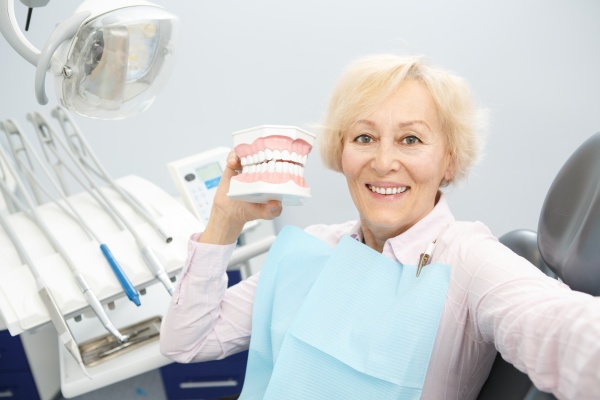
Dentures, also known as false teeth, are used to replace natural teeth after they have fallen out or have been extracted, allowing you to eat and speak without impediment. Even though they normally fit securely in your mouth, they sometimes come loose and do not function as well as they are supposed to.
How to fix loose dentures
Why do dentures become loose?
Your dentures become loose for different reasons, the most common of which is bone resorption, which is the process where your gums begin to shrink because they are no longer being used to hold your teeth in place.
Everyday wear and tear is another reason your dentures can become loose. This can be prevented by taking good care of your dentures, which means taking them out before going to bed at night and preventing damage by not chewing or biting down on hard food.
Fixing your loose dentures
There are several ways to fix your dentures when they become loose, one of which is by using a stronger denture adhesive. Your dentures are made specifically for your mouth, which means they are supposed to fit perfectly without the use of an adhesive.
If your dentures start to loosen, you should schedule an appointment with your dentist to get them fixed. Your dentist can adjust the dentures to adjust them perfectly in your mouth. However, if your bone resorption is occurring at a fast rate, you will have to see your dentist frequently for adjustments.
If you cannot see your dentist immediately, you can hold it in place with a strong adhesive, which will prevent it from moving around too much in your mouth. Before applying the adhesive to your denture, make sure it does not contain zinc because too much can cause health problems, especially if you eat a zinc-rich diet.
An alternative to getting your dentures adjusted or using adhesive is to talk to your dentist about implant-supported dentures, also known as overdentures. These are removable dentures that are more secure because the artificial teeth are anchored to your jawbone using dental implants, which are titanium posts fused to your jawbone to keep your artificial teeth securely in place.
Implants are considered a better alternative to dentures because the titanium posts in your jawbone act like your tooth root and stimulate the growth of bone, instead of reducing your bone density as dentures do.
There are two types of implant-supported dentures: bar-retained and ball-retained dentures.
- Bar-retained dentures: This type of denture uses a thin metal bar that is wrapped around your jawline and is attached to two to five dental implants in your jawbone using clips
- Ball-retained dentures: This type of denture requires each of the implants in your mouth to have a metal attachment that fits into a part on the denture
Conclusion
Loose dentures can make it difficult to chew food and speak properly. If you have loose dentures, you should schedule an appointment with your dentist to get them adjusted and to discuss more secure alternatives.
Request an appointment here: https://uptownnycdental.com or call Uptown Dental Group at (646) 666-0757 for an appointment in our New York office.
Check out what others are saying about our services on Yelp: Read our Yelp reviews.
Related Posts
A general dentist relies on digital X-rays as a critical diagnostic tool to evaluate oral health, detect issues early, and guide treatment decisions. These high-resolution images offer detailed insight into structures not visible during a routine visual exam, making them essential for both preventive and restorative care. Digital X-rays are safer, faster, and more comfortable…
Consistently visiting the same general dentist helps patients achieve better oral health outcomes and ensures personalized dental care. Building an ongoing relationship with a general dentist allows for a thorough understanding and effective monitoring of oral health over time. Additionally, health monitoring with a familiar general dentist supports early detection of dental issues, customized treatments,…
General dentist visits for a dental crown become essential when tooth strength, shape, or appearance requires reliable reinforcement. A crown covers the visible portion of a tooth, allowing comfortable chewing and healthy smiles. Patients who track warning signs and pursue prompt evaluation limit further damage and simplify treatment. A short appointment for assessment determines whether…
Scheduling an appointment with a general dentist is a strong step toward maintaining long-term oral health. If you have never visited a general dentist before or are looking for one in a new area, knowing what to expect can help reduce anxiety and facilitate a more positive overall experience. A general dentist can provide comprehensive…